
How Much Is Your Used Refrigerant Worth? A 2026 Buyback Pricing Guide
There’s no fixed price list for used refrigerant, and anyone quoting one without seeing your cylinders is guessing. What actually determines your payout comes down to a handful of specific factors, and once you know what they are, you can walk into any buyback conversation with realistic expectations.
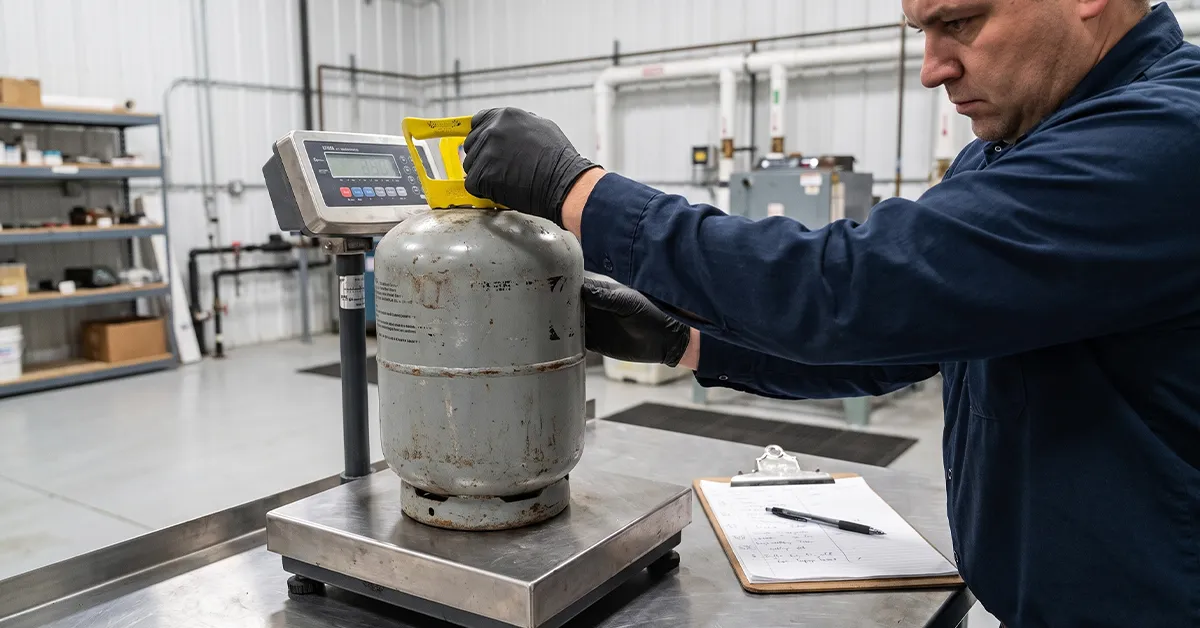
EPA-Certified Reclaimer
Top 200 HFC Allowance Holder Nationwide
Payment in 30 Days or Less
Not a Broker
Why There's No Fixed Buyback Price
The Market Moves Weekly, Not Yearly
The refrigerant market moves fast enough that a number posted online today can be wrong by the time you actually call. Type, purity, and volume all shift week to week as production allowances tighten and demand for specific refrigerants changes, and a legitimate buyer prices your specific cylinders against current conditions, not a generic rate card someone printed six months ago.
A Flat Quote Before Seeing Your Cylinders Is a Red Flag
If someone quotes you a flat per-pound number before asking what refrigerant you actually have, its purity, and how much you’re moving, that’s usually the first sign they’re not looking closely enough at your material, or worse, they’re quoting a lowball number to see if you’ll take it without pushing back. A real buyer asks questions before naming a number.
What Actually Determines Your Payout
Refrigerant Type
Different refrigerants carry different market value, and that value moves with federal policy as much as with demand. Refrigerants under the AIM Act’s HFC phasedown, including R-22 and several others losing production allowance year over year, often carry higher buyback value simply because less new supply is coming into the market to replace what’s already out there. What you’re holding matters more than how much of it you have, and a refrigerant that was worth little two years ago can be worth considerably more today as its allowance shrinks further.
Purity and Contamination
Recovered refrigerant that’s been mixed with oil, moisture, air, or another refrigerant needs additional processing before it can go back into the market, and that step affects what it’s worth. Virgin refrigerant in sealed, undamaged cylinders that can be resold without reprocessing carries the highest value, since there’s no reclamation cost standing between the cylinder and resale. Field-recovered gas that picked up moisture or got mixed during a service call still has real value, it just prices differently than a factory-sealed cylinder.
Independent Lab Testing to AHRI 700 Standards
Before recovered refrigerant can be resold, it has to be reclaimed to AHRI 700 purity standards through independent laboratory testing, confirming exactly what’s in the cylinder and at what purity level. That test result is what a buyer actually prices against, not a guess based on the refrigerant type alone. A cylinder that tests cleaner needs less reprocessing, and that shows up directly in the number you’re offered, while a cylinder that comes back mixed or heavily contaminated gets priced to reflect the extra work of separating and reclaiming it.
Volume
A 30-pound recovery cylinder and a 2,000-pound drum get evaluated differently, and larger volumes generally yield better per-pound pricing because the logistics cost spreads across more material. If you’ve got multiple cylinders from the same job site or a facility cleanout, send the full inventory at once rather than piecemeal, since consolidating everything into one transaction usually beats selling a cylinder at a time as jobs wrap up.
Cylinder Condition and Logistics
Cylinders need to be in safe, legal condition for transport, and location factors into the final number too. Damaged valves or compromised containers affect what a buyer can offer, since non-compliant cylinders create real handling risk. Local Southwest Florida customers can often arrange direct pickup; national customers shipping to our Bradenton facility have inbound freight built into the equation, and a buyer who covers or subsidizes that freight is offering more real value than the headline number alone suggests.
What We Buy
We purchase recovered and surplus refrigerant from HVAC contractors, equipment dealers, property managers, and industrial facilities nationwide.
Legacy Refrigerants and Common HFCs
Legacy refrigerants like R-22, R-11, R-113, and R-123 top the list because they can no longer be manufactured, so every pound in circulation matters more each year. Common HFCs including R-410A, R-134a, R-404A, and R-507A move differently, with value tied to how far along each one is in its own AIM Act phasedown timeline.
Blends and Uncommon Cylinders
Blends like R-438A and R-449A, often used as drop-in replacements for older systems, get evaluated on the same purity and volume basis as everything else. If what you have isn’t on this list, contact us anyway. Our in-house mixed-gas separation means we evaluate uncommon blends and mixed cylinders that most buyers turn away without a second look.
Why the AIM Act Is Pushing Buyback Value Up
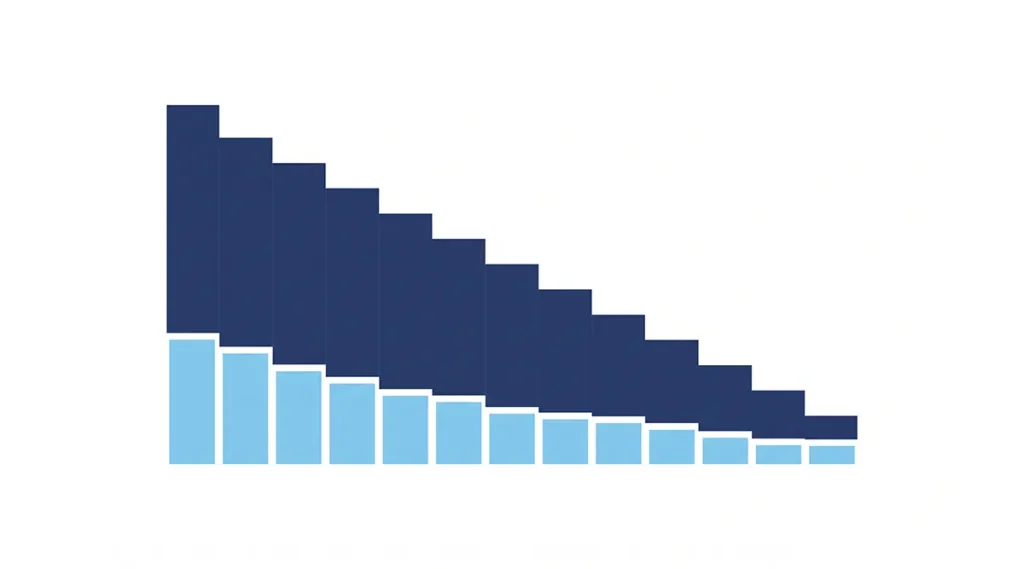
The AIM Act’s HFC phasedown set 2022 as its production baseline, and the schedule steps down from there: 2022 and 2023 allowed 90 percent of that baseline, 2024 through 2028 caps it at 60 percent, 2029 through 2033 drops to 30 percent, 2034 and 2035 fall to 20 percent, and 2036 onward settles at 15 percent. Every step down means less newly manufactured HFC coming into the market, which pushes buyers toward reclaimed supply to fill the gap.
What This Means If You’re Sitting on Cylinders
Refrigerant that felt like a minor asset a few years ago is worth a second look now, especially anything caught in the phasedown schedule. Waiting doesn’t necessarily help either, since holding onto cylinders ties up space and creates its own liability without guaranteeing a better number later. Getting a current quote costs nothing and tells you where you actually stand.
How This Compares to Past Refrigerant Transitions
This isn’t the industry’s first phasedown. R-11 and similar refrigerants stopped being manufactured entirely under the Montreal Protocol in the 1990s, and the same pattern played out then: existing supply became more valuable as new production ended. The AIM Act is doing the same thing to HFCs on a longer timeline, which is why refrigerant that feels ordinary today can look very different in the used market a few years from now.
Broker Versus Direct Reclaimer: Why It Affects Your Payout
A lot of the buyback market runs through brokers who collect refrigerant and route it to a reclaimer they don’t identify, adding a markup in the middle without adding any actual processing capability. American Refrigerants buys directly, processes in-house, and puts the material back into the market ourselves, which is part of why we can commit to 30 days or less instead of the 45 to 90 day windows common with broker-run programs. When you sell to a broker, you’re also trusting a link in the chain you can’t see; when you sell direct, you know exactly who’s testing your material and issuing your payment.
What Allowance Holder Status Actually Means
An EPA-Certified Reclaimer that also holds HFC allowances under the AIM Act is a short list nationally, and it matters for more than credibility. Allowance status means we can legally import and process HFCs that a non-allowance holder is restricted from handling, and running reclamation and mixed-gas separation in-house means your material never passes through a chain of subcontractors before it gets processed.
Common Mistakes That Cost Sellers Money
Selling Cylinder by Cylinder Instead of Consolidating
Selling refrigerant off one cylinder at a time as jobs wrap up feels convenient, but it usually leaves money on the table compared to consolidating everything into a single transaction. Larger volumes get better per-pound pricing because the logistics cost spreads across more material, so holding a few weeks of recovered cylinders and selling as a batch is often worth more than selling as you go.
Assuming Older Refrigerant Is Worthless
Refrigerant that felt low-value a few years ago can be worth considerably more today if it’s caught in the AIM Act phasedown, since less new supply exists to replace it. Assuming an old cylinder isn’t worth a call is one of the more common ways sellers underestimate what they’re holding.
Not Asking How Payment Actually Works
A quote is only half the picture. Payment terms vary widely across buyers, from 30 days to 90 days, and some programs quietly extend timelines once your material has already shipped. Ask upfront, in writing if possible, and be wary of any buyer who’s vague about when you’ll actually see payment.
Skipping the Question of Who’s Actually Processing the Material
Not every buyback program processes what it buys. Some collect refrigerant and route it to a reclaimer they don’t name, adding a markup without adding capability. Asking who actually reclaims your material, and whether they’re EPA-certified to do it, tells you a lot about whether you’re dealing with a real processor or a middleman.
How Documentation Protects You After the Sale
Every transaction gets logged by refrigerant type, volume in pounds, and lab test result, so you have a real record of what you sold and to whom. That matters more than it seems at first: if a refrigerant you recovered and sold ever comes up in an EPA compliance question, a documented sale to an EPA-Certified Reclaimer is exactly the kind of paper trail that closes the question quickly. Sellers who deal with undocumented buyers or cash-only brokers don’t have that same protection if anyone ever asks where the material went.
Payment: What Actually Happens After You Sell
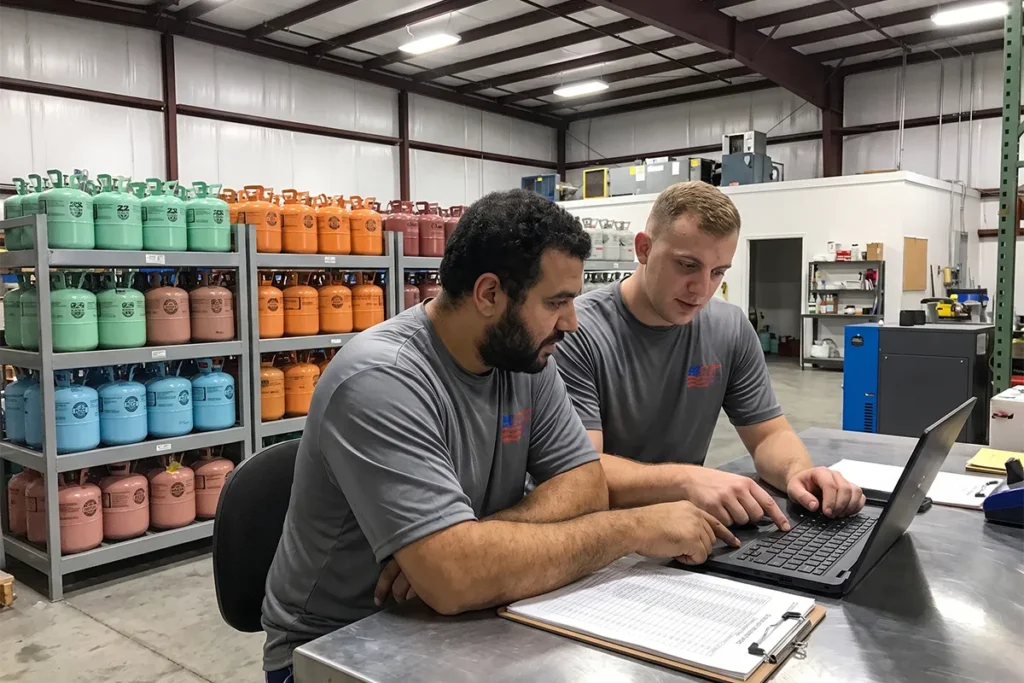
30 Days or Less, Confirmed Upfront
Recovered refrigerant pays out in 30 days or less from receipt, not the 45 to 90 day windows common with brokers and larger buyers. Virgin refrigerant in sealed containers that can be resold as-is can move faster, since there’s no reclamation step to wait on. Either way, the timeline gets confirmed upfront, not renegotiated after your cylinders are already gone, and there’s no float strategy where a buyer sits on payment to manage their own cash flow at your expense.
What to Have Ready Before You Call
A little preparation gets you a faster, more accurate quote. Know your refrigerant type, or the equipment make and installation year if you’re not sure. Have a rough total weight in pounds across all cylinders. Note whether the material is virgin and sealed or field-recovered, and flag anything you suspect might be mixed. None of this needs to be exact, but the more you can tell us upfront, the less back-and-forth it takes to get you a real number.
Want the Full Printable Guide?
This covers the core factors, but the full Refrigerant Buyback Payout and Pricing Guide goes deeper on minimum volumes, mixed-gas handling, and exactly what to have ready before you call. Download it free and keep it on hand for the next time you’re evaluating a load.
Frequently Asked Questions
How much is my used refrigerant worth?
It depends on the refrigerant type, its purity after testing, the volume, and the cylinder condition. There’s no fixed rate, get a custom quote based on what you actually have.
Why don’t you post buyback prices online?
Refrigerant markets move week to week, and a posted rate is rarely accurate by the time someone calls. A real quote reflects your specific refrigerant, not a generic number.
What refrigerants have the highest buyback value right now?
Refrigerants under AIM Act phasedown, including R-22, often carry higher value as production allowances shrink. Value shifts with market conditions, so the honest answer is to call and get a current quote for what you have.
Do I need to have my refrigerant tested before contacting you?
No. We evaluate purity through independent laboratory testing to AHRI 700 standards after your refrigerant arrives. You don’t need to test it yourself first.
How fast do I get paid?
Recovered refrigerant pays out in 30 days or less. Virgin refrigerant in sealed containers eligible for immediate resale can move faster.
What if my refrigerant is mixed or contaminated?
We run in-house mixed-gas separation, so contaminated or blended cylinders that other buyers reject still have value here.
Is it better to sell through a broker or directly to a reclaimer?
Selling direct usually means faster payment and a clearer picture of who’s actually testing and processing your material, since a broker adds a markup and a link in the chain you can’t see.
Do you buy small quantities, like a single cylinder?
Yes, though very small or uncommon quantities may not always make sense to process. Contact us with what you have and we’ll tell you honestly whether it’s a fit.
What documentation do I get after selling my refrigerant?
Every sale is logged by refrigerant type, volume, and lab test result, giving you a documented record of the transaction. That paper trail is useful if a compliance question about the material ever comes up down the line.
Get Your Refrigerant Quote
Call (941) 371-0300 or submit your inventory online. Tell us the refrigerant type, approximate volume, and condition, and we’ll get you a real number based on your material, not a rate card. We’ll ask a few quick questions about what you have, get you a real number the same day in most cases, and walk you through pickup or shipping logistics before anything moves.